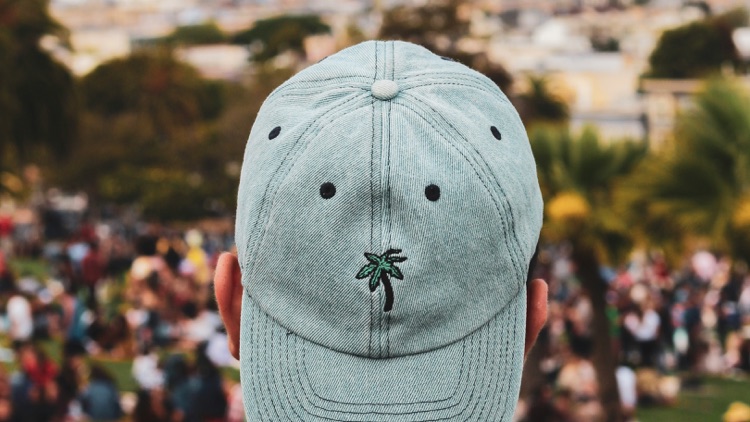
Baseball caps are one of the most common custom headwear products, but that does not make them simple to source.
The same basic cap shape can become a cheap promotional giveaway, a premium retail item, a sports team cap, a golf cap, or a fashion accessory. The difference comes from fabric, crown structure, brim shape, fit, logo method, trims, and production consistency.
When choosing a Baseball cap Manufacturer, buyers should look at more than unit price. The right supplier should understand the product type you want and help control the details that affect the final result.
Decide the Type of Baseball Cap First
Not all baseball caps are built for the same purpose.
A basic promotional cap may prioritize low cost and quick delivery. A retail cap may need better fabric, cleaner stitching, labels, hangtags, and packaging. A sports cap may need sweat control and stable fit. A premium lifestyle cap may need better shape control and decoration quality.
Before requesting a quote, define the cap type:
- Promotional cap
- Retail fashion cap
- Sports or performance cap
- Golf cap
- Outdoor cap
- Corporate gift cap
- Private-label brand cap
This helps the manufacturer recommend the right fabric, structure, and logo method.
Understand Cap Structure
Baseball caps can vary by panel count, crown profile, structure, brim type, and closure.
Common options include five-panel caps, six-panel caps, structured caps, unstructured caps, low-profile caps, mid-profile caps, snapback caps, fitted caps, stretch-fit caps, and adjustable caps.
These choices affect fit and appearance. A structured cap keeps a cleaner front shape. An unstructured cap feels softer and more casual. A flat brim gives a different style from a curved brim. A snapback closure fits a different market from a fitted size range.
Send reference photos or samples if you have them. If not, describe the profile clearly.
Choose Fabric Based on Use
Fabric controls much of the cap’s look and feel.
Cotton twill is common for casual caps. Polyester works well for performance and quick-dry styles. Nylon can create a smooth technical look. Mesh can improve airflow. Wool blends, corduroy, denim, and specialty fabrics can support fashion or seasonal products.
The best fabric depends on the buyer’s goal. A low-cost event cap does not need the same fabric as a retail lifestyle cap. A sports cap may need better sweat control than a fashion cap.
Ask the supplier which fabrics work best with your desired crown shape and logo method.
Pick the Right Logo Method
Logo decoration is one of the biggest visual differences between custom caps.
Common methods include embroidery, flat embroidery, 3D puff embroidery, woven patches, printed patches, silicone patches, rubber patches, leather patches, heat transfer, and screen printing.
Each method has a different look, cost, and durability profile. 3D puff embroidery can stand out, but it may not suit small detailed logos. Heat transfer can look clean, but it depends on fabric compatibility. Patches can create a strong brand look, but they add material and sewing requirements.
Ask for decoration samples before approving bulk production.
Check the Sample Carefully
The sample is where most issues should be found.
Check:
- Crown height
- Panel symmetry
- Brim shape
- Stitching
- Fabric feel
- Logo position
- Logo size
- Closure function
- Sweatband comfort
- Color matching
- Label placement
- Packing shape
Do not approve a sample only because the logo is correct. A cap can have the right logo and still fail because the shape, fit, or fabric is wrong.
Ask About Minimum Order Quantity and Lead Time
MOQ and lead time depend on fabric, decoration, color count, trims, packaging, and production schedule.
Custom fabric colors, special patches, complex embroidery, and retail packaging can all increase development time. If the project has a fixed event or launch date, tell the manufacturer early.
For first orders, allow time for sampling and revisions. Rushing directly into bulk production can create expensive mistakes.
Quality Control Before Shipment
Baseball cap inspection should compare bulk goods against the approved sample.
Important checks include crown shape, brim curve, stitch quality, logo placement, color consistency, sweatband placement, closure function, labels, packaging, and carton protection.
For private-label brands, consistency matters across repeat orders. Keep a reference sample and clear QC notes for future production.
Conclusion
Choosing a baseball cap supplier is not just a price comparison.
Buyers should define the cap type, confirm structure, choose fabric for the use case, match the logo method to the product, review samples carefully, and set clear inspection standards. These steps help reduce sourcing risk and create custom caps that match the brand’s quality level.